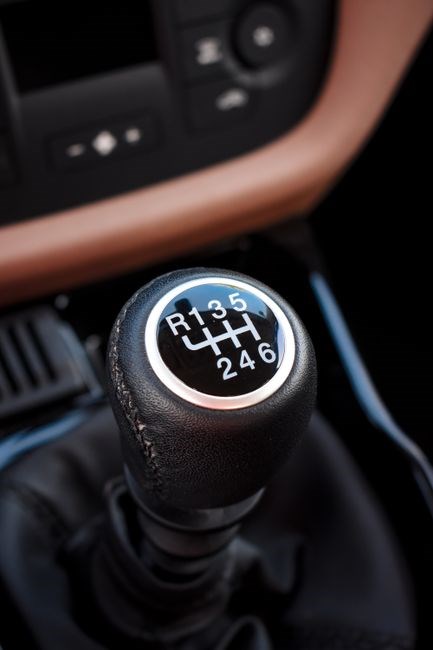
Overview of Manual Transmission Driving Schools
Manual transmission schools focus on clutch control‚ gear selection‚ and road safety. Students learn through hands‑on practice‚ mastering smooth shifts and emergency stops. Certified instructors provide tailored feedback‚ ensuring confidence before the exam. Students park on hills safely!
Definition and importance of stick shift training
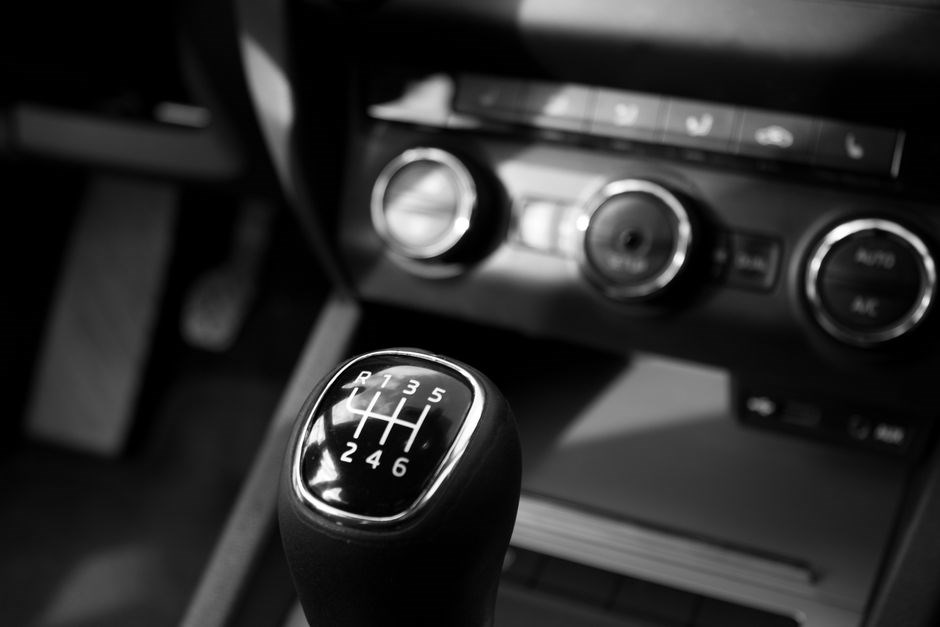
Stick shift‚ or manual transmission‚ refers to a vehicle drivetrain that requires the driver to manually shift gears using a clutch pedal and gear lever. In a manual car‚ the driver controls the engine’s power delivery by selecting the appropriate gear ratio for speed‚ torque‚ and fuel efficiency. Training in this system builds a deeper understanding of vehicle dynamics‚ enhances driver engagement‚ and improves overall driving skill. By learning clutch coordination‚ rev‑matching‚ and smooth gear changes‚ students develop muscle memory that translates to safer‚ more efficient driving. Manual training also fosters a stronger connection between the driver and the vehicle‚ allowing for better anticipation of road conditions and more precise control during challenging maneuvers such as hill starts‚ emergency braking‚ and low‑speed navigation. Moreover‚ mastering a stick shift can increase a driver’s confidence‚ reduce reliance on automatic systems‚ and broaden vehicle options in a market where manual transmissions remain common in many countries‚ including the United States‚ India‚ and parts of Europe. Ultimately‚ stick shift training equips learners with a versatile skill set that enhances both personal driving competence and overall road safety. In addition‚ many instructors emphasize the importance of mastering clutch control in varied traffic scenarios‚ from stop‑and‑go city streets to open highways‚ ensuring that learners can adapt quickly to changing road conditions and maintain confidence even in high‑pressure situations. now. ok
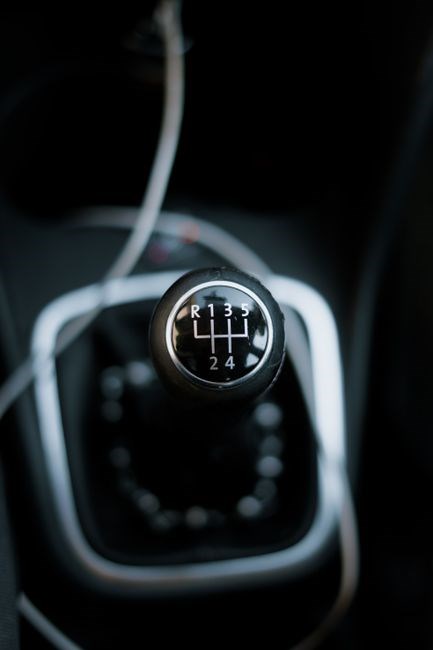
Choosing the Right School
When selecting a manual transmission school‚ verify accreditation‚ check instructor credentials‚ and review student success rates. Look for certified trainers‚ modern vehicles‚ flexible lesson plans that match your schedule skill level. Choose a program that prioritizes safety and hands‑on practice.!
Accreditation and instructor qualifications
Accreditation serves as a benchmark for quality‚ ensuring that a manual‑transmission program meets state safety standards and curriculum guidelines. In New York‚ for instance‚ a school must hold a valid Department of Motor Vehicles (DMV) license and pass periodic inspections that verify vehicle maintenance‚ insurance coverage‚ and instructor certification.
Instructor qualifications are equally critical. Certified instructors typically hold a current teaching license‚ a minimum of five years of driving experience‚ and specialized training in manual‑transmission techniques. They must demonstrate proficiency in clutch control‚ gear‑shift timing‚ and emergency procedures. Schools that employ instructors with automotive repair experience can offer deeper insight into vehicle mechanics and shift strategies.
Students should verify that instructors undergo professional daily development‚ including refresher courses and safety protocols. This commitment to ongoing learning ensures that students receive current‚ evidence‑based instruction tailored to modern road conditions.
When evaluating a school‚ ask for proof of accreditation‚ instructor credentials‚ and recent inspection reports. A transparent‚ well‑documented approach reflects a school’s dedication to maintaining high teaching standards and student safety. Schools that openly share their accreditation status and instructor qualifications are more likely to provide a reliable‚ effective learning environment for mastering the art of stick‑shift driving.
Top-rated Schools by Region
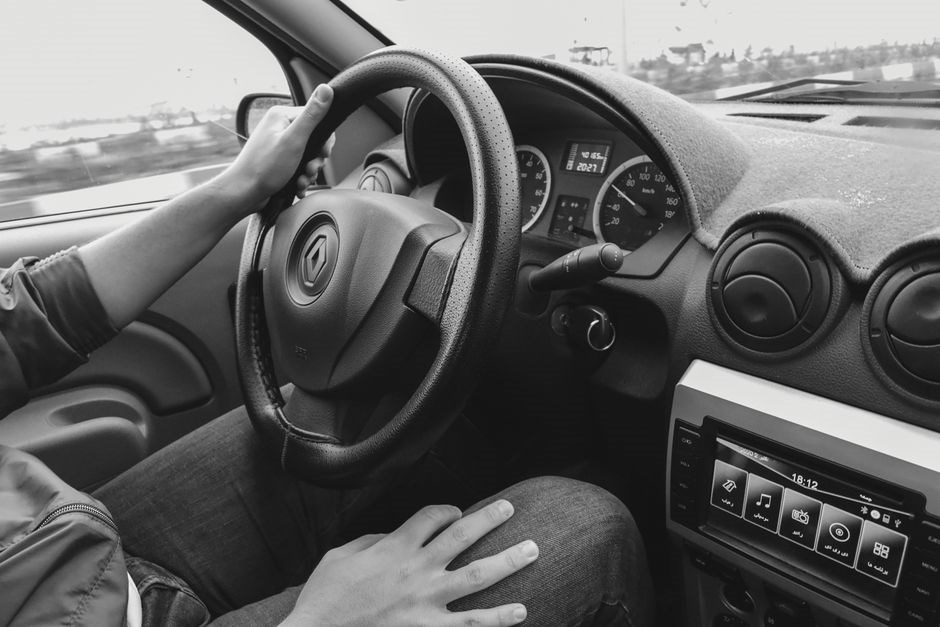
New York: 10 best stick‑shift lessons per Yelp 2026. Chicago: Nova Driving School offers pro instruction. San Jose: Bay Pass Driving School‚ LLC‚ certified. Edison: Alliance Driving School‚ top-rated. These schools excel in safety‚ instructor skill‚ n student success.
New York‚ NY – Top 10 Stick Shift Driving Lessons
According to the latest Yelp update (2026)‚ New York’s top 10 stick‑shift driving schools are verified listings that combine instructor expertise‚ vehicle quality‚ and student satisfaction. The leading school‚ Stick Shift Driving Lessons‚ boasts a 4.4‑star rating from 216 reviews and remains open until 6:00 PM‚ ensuring flexible scheduling for commuters and weekend learners alike. Students praise the hands‑on approach: “I recently had a manual transmission driving lesson and it was very good‚” one reviewer notes‚ highlighting the clear‚ step‑by‑step guidance that demystifies clutch use and gear changes. The curriculum covers hill starts‚ emergency braking‚ and smooth gear transitions‚ all taught in well‑maintained manual‑transmission vehicles. Additional schools in the list‚ such as Nova Driving School (though based in Chicago‚ it is frequently cited by New York students for its professional instruction) and local community‑centered programs‚ offer personalized lesson packages‚ including night‑time practice and advanced driving techniques. All schools in the top 10 share a common focus on safety‚ providing students with confidence before the exam. Whether you’re a first‑time driver or looking to refresh your skills‚ these New York schools deliver a comprehensive‚ supportive learning environment that turns the learning curve into a smooth ride. The schools also provide online resources and progress tracking‚ ensuring learners stay motivated and on schedule. After completing the course‚ students receive a certificate that can be used for insurance discounts and future driving tests. All classes are fully insured and compliant in NY. 2026!!!
Regional Highlights
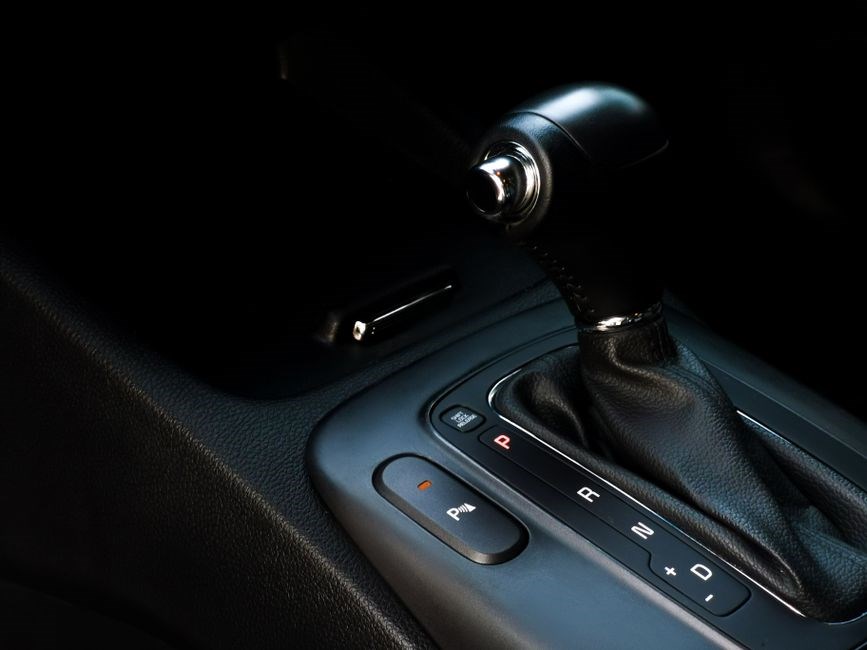
Chicago and Evanston offer top-tier manual‑transmission training. Nova Driving School’s professional instructors use well‑maintained vehicles guiding students through clutch control‚ hill starts‚ and smooth gear changes. Flexible schedules and proven success rates make it a regional favorite. All insured.!
Chicago & Evanston – Professional Stick Shift Instruction
Nova Driving School leads the region with a structured manual‑transmission curriculum that blends theory‚ hands‑on practice‚ and real‑world driving scenarios. Instructors begin each lesson with a safety briefing covering clutch engagement‚ gear‑shift timing‚ and traffic‑aware positioning. Students then move to a controlled environment where emphasis is placed on the feel of the clutch pedal‚ the rhythm of gear changes‚ and anticipating traffic flow. Each session is tailored to the learner’s pace‚ ensuring beginners avoid clutch slippage and missed shifts while advanced students refine hill‑start techniques and emergency braking in manual vehicles.
The fleet consists exclusively of well‑maintained‚ modern manual cars equipped with dual‑clutch systems for smoother transitions. Certified instructors‚ all licensed by the Illinois Department of Motor Vehicles‚ bring extensive experience teaching diverse age groups—from high‑school teens to adult learners returning after years of automatic driving. Their patient yet challenging style encourages muscle memory through repeated practice on flat roads and steep inclines.
Beyond technical skill‚ the program focuses on situational awareness. Learners practice navigating heavy traffic‚ executing safe lane changes‚ and responding to sudden stops while maintaining clutch control. Video reviews complement hands‑on sessions‚ allowing instructors to analyze timing and decision‑making‚ offering constructive feedback that accelerates progress. Students report high confidence upon completion‚ citing structured progression‚ personalized coaching‚ and a supportive learning environment. Flexible scheduling‚ competitive pricing‚ and proven pass rates make Nova a top choice for professional stick‑shift instruction in Chicago and Evanston.
International Perspectives
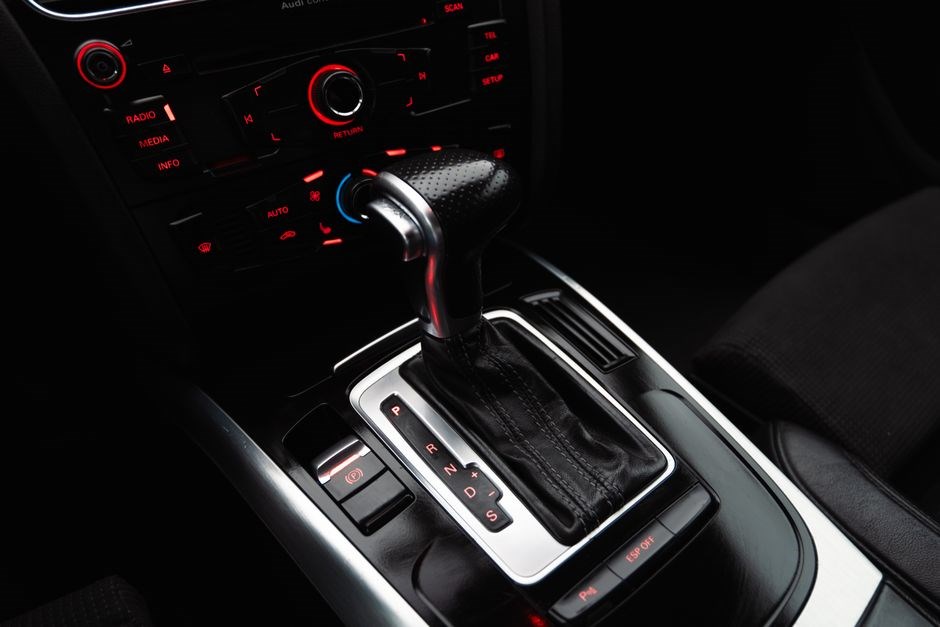
In India‚ manual training is common‚ with schools offering compact‑car lessons on busy roads. European centers emphasize smooth clutch use‚ while U.S. programs focus on safety drills. Global trends show a rise in hybrid‑manual hybrids. Students gain confidence now!
Manual Transmission Training in India and Other Countries
India’s driving schools routinely teach clutch coordination on narrow‚ congested streets‚ using compact cars that require frequent gear changes. Students learn to anticipate traffic flow‚ mastering hill starts and emergency braking in dense traffic. European academies‚ by contrast‚ emphasize smooth clutch engagement and precision shifting‚ often using larger vehicles to teach advanced techniques. In the United States‚ instructors focus on safety drills‚ such as double‑clutching and low‑speed maneuvering‚ to prepare learners for varied road conditions. Across the globe‚ hybrid‑manual hybrids are gaining popularity‚ offering a blend of manual control with electric assistance. These programs combine traditional skills with modern technology‚ helping students achieve confidence and adaptability on diverse roads worldwide. In addition‚ many schools use simulation tools and real‑time feedback systems‚ letting learners visualize clutch pressure curves and gear ratios on digital displays. This technology bridges theory and practice‚ ensuring students feel the manual shift and understand the underlying mechanics. Moreover‚ cultural differences influence teaching styles; for instance‚ in Japan‚ instructors emphasize smooth clutch engagement and minimal noise‚ while in Brazil‚ the focus is on mastering hill starts. These nuanced approaches enable students worldwide to adapt their skills to local driving conditions‚ fostering a generation of confident‚ versatile drivers for all now!
Student Experience & Testimonials
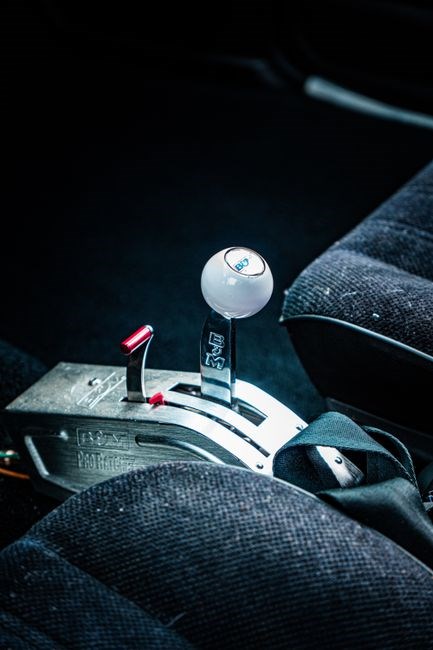
Students rave about hands‑on practice‚ saying “the instructor’s calm guidance made clutch control intuitive.” One learner noted‚ “I went from nervous to confident in just three weeks.” Real‑time feedback and supportive peers create a motivating learning environment. Students enjoy flexible schedules
Confidence Building Through Hands-On Practice
The training environment is designed to mirror real‑world driving‚ with instructors providing instant feedback on clutch engagement‚ gear selection‚ and braking. Students practice in varied traffic conditions‚ to congested city centers‚ ensuring they adapt to diverse driving scenarios. The curriculum emphasizes safety‚ mental focus required for smooth driving for levels.!!!
Cost and Course Structure
Pricing varies: a single 60‑minute lesson costs $45–$60‚ while packages of 10 lessons average $40 each. Many schools offer a 5‑lesson starter bundle for $190‚ including a practice test. Flexible payment plans and discounts for students with a learner’s permit are common
Pricing Models and Lesson Packages for Manual Transmission
Manual‑shift training costs vary by region and provider. A typical 60‑minute session ranges from $45 to $60‚ while bundled packages offer better value. For example‚ a 10‑lesson bundle averages $40 per lesson‚ totaling $400‚ and a 5‑lesson starter pack is often priced at $190‚ covering initial assessment‚ practice test‚ and a few on‑road runs. Many schools offer a “pay‑as‑you‑go” option‚ allowing students to book lessons individually for $48 each‚ which is useful for those who need only a few extra runs before the exam. Others provide a flat‑rate “complete package” that includes unlimited practice time‚ a mock exam‚ and a final test for $550. Flexible payment plans are common; students can split the total into monthly installments of $75–$100 over 6–8 months. Discounts are frequently available for students holding a learner’s permit‚ with a 10–15% reduction on the first bundle. Some schools also offer “group‑rate” discounts for friends or family members enrolling together‚ reducing the per‑lesson cost by up to 20%. When choosing a provider‚ it’s essential to compare not only the headline price but also what is included—such as the number of on‑road hours‚ the type of vehicle‚ and the instructor’s certification level—to ensure the package meets your learning goals. Whether you’re a novice eager to master clutch coordination or a seasoned driver‚ these structured programs combine theory‚ simulation‚ and real‑world practice to build competence‚ reduce exam anxiety‚ and ultimately grant you confidence to navigate any road with precision.