
Vehicle Repair‚ Services & Retail Award Pay Guide 2023: A Comprehensive Overview
This guide details crucial 2023-2024 pay rates and entitlements for the Vehicle Repair‚ Services & Retail Award 2020‚ following annual wage reviews and updates.
It covers classifications‚ conditions‚ and minimum rates‚ including allowances‚ penalty rates‚ and overtime provisions within the vehicle industry‚ effective July 1st‚ 2023.
The Vehicle Repair‚ Services & Retail Award 2020 establishes minimum employment standards for a diverse range of roles within the automotive industry. This encompasses businesses involved in the repair‚ servicing‚ and retail of vehicles‚ including motor vehicle mechanics‚ panel beaters‚ spray painters‚ parts interpreters‚ and retail sales staff.
This Award aims to provide fair and equitable conditions for employees‚ outlining crucial aspects such as wage rates‚ working hours‚ penalty rates‚ leave entitlements‚ and superannuation contributions. The 2023 Pay Guide reflects recent annual wage reviews‚ ensuring compliance with current legislation and industry best practices.
Understanding this Award is vital for both employers and employees to ensure adherence to legal obligations and to foster a productive and harmonious working environment. It’s essential to consult the full Award document for detailed information and specific classifications relevant to individual roles within the sector.
Coverage of the Vehicle Repair‚ Services & Retail Award 2020
This Award broadly covers employers operating within the vehicle repair‚ service‚ and retail sectors across Australia. Specifically‚ it applies to businesses engaged in the mechanical repair of vehicles‚ body building and panel beating‚ spray painting‚ tyre and battery services‚ and the sale of new and used vehicles.

The scope extends to motor vehicle rentals‚ but excludes those directly connected with the repair‚ service‚ and maintenance aspects. It also includes businesses selling vehicle parts and accessories. Employees covered encompass a wide range of classifications‚ from apprentices and junior workers to tradespersons and clerical staff.
It’s crucial to determine if the work performed falls within the defined classifications of the Award. Employers should carefully review the Award’s schedules to ensure correct coverage and application of minimum standards to their workforce.
Key Dates and Review Periods (2023-2024)
The 2023-2024 period saw significant updates to the Vehicle Repair‚ Services & Retail Award‚ primarily driven by the annual wage review processes. A key date was July 1st‚ 2023‚ marking the implementation of revised minimum wage rates and classifications following the 2022-2023 review.
The Fair Work Commission’s Annual Wage Review 2023-24 (Case C2024/1) directly influenced these changes. Further reviews and potential adjustments may occur throughout the year‚ dependent on economic conditions and Commission decisions. June 26th‚ 2023‚ saw the release of updated pay guides reflecting the initial changes.
Employers must remain vigilant regarding these review periods and ensure ongoing compliance with the latest Award provisions. June 26th‚ 2025‚ is a future date to monitor for potential updates. Staying informed is vital for accurate payroll management and employee entitlements.
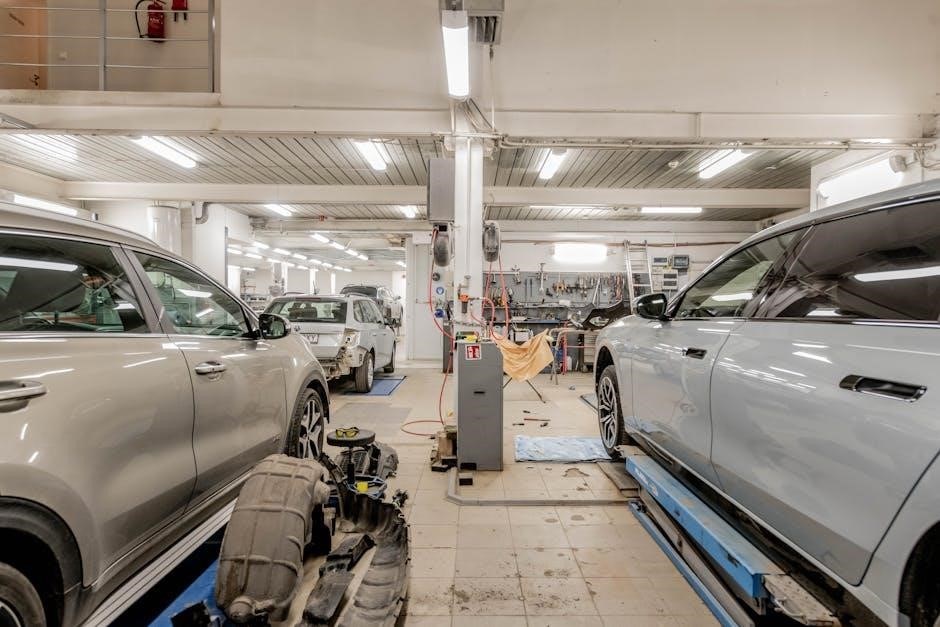
Wage Rates ⸺ 2023-2024
Detailed wage schedules for 2023-2024 are available‚ outlining pay rates for Clerical Employees‚ Tradespersons‚ Apprentices‚ and Junior Employees under the Vehicle Repair Award.
Base Rates of Pay ⎼ Clerical Employees
Clerical employees’ base rates of pay are structured according to classifications within the Vehicle Repair‚ Services & Retail Award 2020. These rates underwent review in 2023‚ resulting in adjustments effective July 1st‚ 2023. The specific rate depends on the employee’s level of skill and responsibility.
Generally‚ rates are categorized based on experience and duties performed‚ ranging from entry-level positions to more senior administrative roles. Employees may progress through these levels with demonstrated competence and increased responsibilities. It’s crucial to consult the official wage schedule for precise figures‚ as rates vary.
Employers must ensure adherence to the correct classification and corresponding pay rate‚ as outlined in the award. Regular review of employee classifications is recommended to maintain compliance and fair compensation. Detailed information regarding specific pay points within each classification is readily available through industry legal groups and official award documentation.
Base Rates of Pay ⸺ Tradespersons
Tradesperson base rates within the Vehicle Repair‚ Services & Retail Award 2020 are determined by classification and skill level. The 2023 annual wage review led to updated rates‚ effective July 1st‚ 2023‚ reflecting industry standards and cost of living adjustments. These rates acknowledge the specialized skills and expertise of qualified tradespeople.
Classifications typically encompass various automotive trades‚ including mechanics‚ electricians‚ panel beaters‚ and spray painters. Pay scales progress with experience and demonstrated proficiency. Employers are obligated to classify employees accurately and pay the corresponding rate.
Accessing the official wage schedule is vital for ensuring compliance. It details specific pay points for each trade classification. Employers should regularly review employee classifications to guarantee fair and accurate remuneration‚ adhering to the award’s provisions and promoting a skilled workforce.
Base Rates of Pay ⸺ Apprentices
Apprentice wage rates under the Vehicle Repair‚ Services & Retail Award 2020 are structured as a percentage of the relevant tradesperson’s rate‚ increasing progressively with each year of apprenticeship. The 2023 wage review impacted these percentages‚ ensuring fair compensation aligned with skill development. These rates acknowledge the learning phase and gradual acquisition of expertise.
Rates are determined by the year of apprenticeship – typically ranging from 40% to 80% of the tradesperson rate. Employers must accurately track an apprentice’s progress and adjust pay accordingly. Registered training agreements are crucial for verifying apprenticeship status and eligibility for specific rates.
Consulting the official wage schedule is essential for precise calculations. Employers are responsible for complying with these rates and providing appropriate training opportunities‚ fostering a skilled future workforce within the vehicle repair industry.
Base Rates of Pay ⎼ Junior Employees
Junior employee rates within the Vehicle Repair‚ Services & Retail Award 2020 are determined as a percentage of the applicable tradesperson’s base rate‚ varying based on age and experience. These rates acknowledge the developing skillset of younger workers entering the industry‚ providing a pathway for career progression.
The percentage increases with age‚ typically starting around 50% and progressing towards 85% of the tradesperson rate as the junior employee gains experience. Accurate age verification is crucial for correct wage assignment. Employers must maintain records confirming employee ages for compliance.
Referencing the official 2023-2024 wage schedule is vital for precise calculations. Employers are obligated to adhere to these rates and provide opportunities for skill development‚ fostering a qualified and motivated junior workforce within the vehicle repair and retail sector.

Allowances
The Vehicle Repair‚ Services & Retail Award 2020 outlines specific allowances for tools‚ vehicles‚ and first aid qualifications‚ supplementing base wages for associated expenses.
Tool Allowance Details
The Vehicle Repair‚ Services & Retail Award 2020 provides for tool allowances recognizing the significant investment tradespersons make in maintaining necessary equipment. These allowances are designed to partially offset the costs associated with purchasing‚ maintaining‚ and replacing essential tools required to perform their duties effectively.
Allowance amounts vary based on classification‚ with higher allowances generally provided to those in more specialized trades requiring a greater range and value of tools. Employers are typically required to pay the allowance regularly‚ often on a per-pay-period basis‚ directly to the employee.
Detailed schedules within the award specify the exact allowance amounts applicable to each classification. It’s crucial for both employers and employees to consult these schedules to ensure accurate payment. Reimbursement for tool replacement or repair may also be covered under specific conditions outlined in the award‚ beyond the standard allowance.
Vehicle Allowance Information
The Vehicle Repair‚ Services & Retail Award 2020 addresses allowances for employees required to use their own vehicles for work purposes. This recognizes the expenses incurred by employees relating to fuel‚ maintenance‚ and depreciation when utilizing a personal vehicle for business-related travel.

Allowance rates are typically determined by a kilometer-based system‚ with a specified rate paid per kilometer travelled on company business. Alternatively‚ some employers may opt for a fixed weekly or monthly allowance‚ depending on the anticipated level of vehicle usage.

The award outlines specific requirements for claiming vehicle allowances‚ including the need for accurate record-keeping of business mileage. Employers must maintain transparent policies regarding vehicle allowance eligibility and payment procedures. Detailed schedules within the award specify current rates and conditions for claiming these allowances.
First Aid Allowance Provisions
The Vehicle Repair‚ Services & Retail Award 2020 acknowledges the responsibility of designated employees who hold a current First Aid certificate. These individuals are often required to provide immediate medical assistance in the event of workplace injuries or emergencies.
A First Aid allowance is payable to employees who are formally appointed as First Aiders and maintain a valid certification. This allowance recognizes the additional skills‚ training‚ and potential on-call responsibilities associated with this role.
The award specifies the amount of the First Aid allowance‚ which is typically a weekly or annual payment. Eligibility criteria include holding a recognized First Aid qualification and being actively designated as a First Aider within the workplace. Employers are responsible for ensuring that First Aiders receive appropriate training and support.

Penalty Rates & Overtime
This section outlines the additional compensation for work performed outside standard hours‚ including Saturday‚ Sunday‚ and public holiday penalty rates‚ alongside overtime calculation methods.
Saturday Penalty Rates
Employees covered by the Vehicle Repair‚ Services & Retail Award 2020 are entitled to penalty rates when working on Saturdays‚ recognizing the disruption to their usual weekend arrangements. The specific rate applied depends on the classification of the employee and the time of day the work is performed.
Generally‚ Saturday work attracts a penalty rate of time and a half (150%) for the first eight hours worked‚ and time and three-quarters (175%) for any hours exceeding eight. However‚ these rates can vary based on individual employment contracts or agreements that exceed the award minimums. It’s crucial to consult the detailed wage schedule for precise rates applicable to each classification.
For employees regularly scheduled to work on Saturdays‚ alternative arrangements may be negotiated‚ potentially involving averaging of hours or other compensatory mechanisms. Employers must ensure all Saturday work is accurately recorded and penalty rates are correctly applied in accordance with the award provisions and relevant legislation.
Sunday & Public Holiday Penalty Rates
The Vehicle Repair‚ Services & Retail Award 2020 mandates significantly higher penalty rates for work performed on Sundays and Public Holidays‚ acknowledging the substantial disruption to employees’ personal lives. These rates are designed to compensate workers for sacrificing time typically reserved for family‚ rest‚ and community engagement.

Generally‚ Sunday work attracts a penalty rate of double time (200%)‚ while Public Holiday work also receives double time. However‚ specific arrangements may apply for employees required to work on a gazetted Public Holiday‚ potentially including a day in lieu or other agreed-upon compensation.
Employers must ensure accurate record-keeping of all Sunday and Public Holiday work‚ and that penalty rates are applied correctly according to the award and any applicable enterprise agreements. Employees should verify their payslips to confirm correct payment of these entitlements.
Overtime Calculation Methods
The Vehicle Repair‚ Services & Retail Award 2020 outlines specific methods for calculating overtime payments‚ ensuring fair compensation for hours worked beyond the standard weekly hours. Overtime is generally triggered after 38 ordinary hours of work in a week‚ though variations may exist based on individual employment contracts or enterprise agreements.
Overtime is typically paid at time and a half (150%) for the first two hours‚ and then double time (200%) for any hours exceeding ten in a day or beyond the initial two overtime hours. Accurate timekeeping is crucial for correct overtime calculations.
Employers are responsible for maintaining detailed records of all overtime worked‚ including start and finish times‚ and ensuring employees are paid accordingly. Employees should regularly review their timesheets and payslips to verify overtime payments.

Leave Entitlements
This section details annual‚ sick‚ and long service leave provisions under the Vehicle Repair‚ Services & Retail Award 2020‚ outlining accrual rates and employee rights.
Annual Leave Accrual & Cashing Out
Annual leave accrual is based on ordinary hours worked‚ as defined within the Vehicle Repair‚ Services & Retail Award 2020. Full-time employees generally accrue leave at a rate of 4 weeks per year‚ pro-rata for part-time staff. This entitlement allows for periods of rest and personal time‚ crucial for employee wellbeing.
The Award permits cashing out of accrued annual leave‚ however‚ strict conditions apply. Agreement must be reached between the employer and employee‚ ensuring at least four weeks of leave remain accrued. Cashing out requires a written request and payment must be at the employee’s ordinary time of pay.
Employers must ensure adequate staffing levels are maintained when employees are on annual leave. Leave requests should be considered fairly‚ balancing business needs with employee entitlements. Detailed information regarding leave loading and payment upon termination is also available within the full Award documentation.
Sick Leave Provisions
The Vehicle Repair‚ Services & Retail Award 2020 provides for paid sick leave‚ allowing employees to take time off work due to illness or injury. Full-time employees accrue sick leave at a rate of 10 days per year‚ pro-rata for part-time and casual staff. This entitlement supports employee health and prevents the spread of illness in the workplace.
Employees must notify their employer as soon as reasonably practicable if they are unable to attend work due to illness‚ providing evidence such as a medical certificate if required. The Award outlines acceptable reasons for taking sick leave and the employer’s right to request verification.
Sick leave is paid at the employee’s ordinary time of pay. Unused sick leave may be carried over‚ subject to any limitations specified in the Award. Employers are obligated to maintain confidentiality regarding employee medical information.
Long Service Leave Details
The Vehicle Repair‚ Services & Retail Award 2020 outlines provisions for long service leave‚ recognizing employees’ dedication and years of service. Generally‚ employees become entitled to long service leave after 10 years of continuous service with the same employer. This leave provides a substantial period for rest and personal pursuits.
Long service leave is typically granted as a paid period of leave equivalent to 8.67 weeks for each 10 years of service. Employees can take long service leave in a single block or in multiple installments‚ subject to employer approval. The Award details the process for applying for and taking long service leave.
Accrual of long service leave is governed by state or territory legislation‚ and employers must comply with the relevant regulations. Upon termination of employment‚ employees are entitled to a pro-rata payment for any accrued but untaken long service leave.

Superannuation Contributions
Employers must contribute to a superannuation fund for eligible employees‚ adhering to the current superannuation rate of 11% (2023-2024)‚ fulfilling legal responsibilities.
Current Superannuation Rate (2023-2024)
The superannuation rate applicable to employees covered under the Vehicle Repair‚ Services & Retail Award 2020 for the 2023-2024 period is currently 11%. This percentage represents the employer’s contribution‚ calculated on ordinary time earnings. It’s crucial for employers to stay updated on any potential changes to this rate‚ as it is subject to adjustments announced by the Australian Government.
Contributions must be made to a complying superannuation fund chosen by the employee‚ or if no choice is made‚ to a default fund nominated by the employer. Employers are legally obligated to ensure timely and accurate superannuation payments to avoid penalties. Detailed information regarding superannuation obligations and compliance can be found on the Australian Taxation Office (ATO) website. Maintaining accurate records of superannuation contributions is essential for both employers and employees.
Employer Responsibilities for Superannuation
Employers under the Vehicle Repair‚ Services & Retail Award 2020 have significant responsibilities regarding superannuation. These include ensuring all eligible employees receive the mandated 11% superannuation contribution on ordinary time earnings. Contributions must be made to the employee’s nominated fund‚ or a suitable default fund if no choice is provided.
Employers are required to provide a Superannuation Standard Choice Form to new employees‚ allowing them to select their preferred fund. Timely payments – generally quarterly – are crucial‚ with strict deadlines set by the ATO. Accurate record-keeping of contributions is essential for compliance; Failure to meet these obligations can result in substantial penalties and interest charges. Employers should consult the ATO website for detailed guidance and resources on fulfilling their superannuation duties.