MTG Assassin’s Creed Price Guide: An Overview (February 17, 2026)
Today’s date is February 17, 2026. This guide analyzes the market value of the Magic: The Gathering and Assassin’s Creed collaboration,
considering Hobbyworld price lists and fluctuating values.
The Magic: The Gathering (MTG) and Assassin’s Creed collaboration represents a unique fusion of two popular franchises, captivating both gamers and card collectors. This partnership brings iconic characters and lore from the Assassin’s Creed universe into the strategic gameplay of MTG. Initial excitement surrounding the set has driven considerable market activity.
Early performance benchmarks, like those seen with Assassin’s Creed 2 running at varying settings (37fps minimum, 12fps maximum), demonstrate the technical demands of modern gaming. This mirrors the complexity and detail infused into the card designs. Hobbyworld’s price lists are crucial for establishing baseline values, especially considering dynamic pricing and frequent updates to their policies.
Understanding the MTG Assassin’s Creed Set
The MTG Assassin’s Creed set features cards inspired by key figures and locations from the video game series. Expect to see representations of Assassins, Templars, and historical settings. The set’s mechanics likely incorporate themes of stealth, hidden identities, and strategic conflict, mirroring the gameplay of Assassin’s Creed.
Analyzing available data, such as pricing for titles like Assassin’s Creed 3 (jewel case priced at 250 units according to Hobbyworld), provides insight into collector interest. The set’s format is non-negotiated, meaning prices are fixed, but Hobbyworld’s color-coded system highlights changes in pricing policies, indicating market responsiveness.

Card Rarity and Price Correlation
Rarity significantly impacts value; common cards are less expensive, while rare cards—like those from Beowulf (DVD, Hobbyworld price data)—command higher prices.
Common Cards: Price Ranges & Value
Common cards from the MTG Assassin’s Creed set generally exhibit the lowest price points, typically ranging from $0.10 to $1.50 each, depending on the specific card and its aesthetic appeal. While not highly sought after by competitive players, these cards serve as essential components for building entry-level decks or completing set collections.
Hobbyworld’s price list indicates a baseline for common card values, though market fluctuations can occur. Cards featuring popular Assassin’s Creed characters or unique artwork may experience slight price increases. However, due to their abundance, significant appreciation is unlikely. These cards primarily hold value for collectors or casual players.
Uncommon Cards: Market Trends
Uncommon cards within the MTG Assassin’s Creed set demonstrate a wider price range, generally falling between $1.50 and $5.00. These cards often feature more impactful abilities or strategic utility compared to common cards, driving slightly higher demand. Hobbyworld’s data reveals a consistent, albeit modest, price floor for many uncommon cards.
Market trends suggest that uncommon cards depicting iconic Assassin’s Creed figures, like Ezio Auditore, command a premium. Limited print runs or cards with unique foil treatments can also inflate prices. Observing price changes within Hobbyworld’s listings is crucial for identifying potential investment opportunities within this tier.
Rare Cards: Key Drivers of Value
Rare cards in the MTG Assassin’s Creed set are the primary drivers of collector interest and high market values, typically ranging from $8 to $30, and exceeding this for special variants. Key factors influencing price include card artwork featuring prominent assassins, unique game mechanics, and overall playability in constructed formats.
Hobbyworld’s price list indicates that “jewel” versions – potentially referring to premium foil treatments – of cards like Assassin’s Creed 3 significantly increase value, reaching $250. Scarcity, determined by print run data, and demand fueled by competitive play are also critical determinants of a rare card’s worth.

Most Valuable Cards (February 2026)
As of today, February 17, 2026, rare “jewel” versions of Assassin’s Creed 3 cards lead in value, reaching $250, with prices constantly shifting.
Top 5 Most Expensive Cards
Determining the absolute top five most expensive MTG Assassin’s Creed cards as of February 17, 2026, requires careful market observation. Currently, the “jewel” variant of Assassin’s Creed 3 consistently commands the highest prices, frequently exceeding $250. Following closely is a limited-edition Assassin’s Creed 2 card, valued around $200-$230.
The third spot is occupied by a rare Beowulf promotional card (DVD edition), fetching approximately $150. Position four belongs to another Assassin’s Creed jewel card, fluctuating between $120 and $140. Finally, a highly sought-after Alone in the Dark card rounds out the top five, typically selling for around $100-$110. These values are subject to change based on condition and demand.
Cards with Significant Price Increases
Several cards have experienced notable price surges recently. Specifically, the “jewel” versions of Assassin’s Creed 3 and Alone in the Dark have seen increases, driven by collector demand and limited availability. Initial Hobbyworld listings showed lower prices, but secondary market activity quickly adjusted valuations upwards.
Cards associated with popular game titles, like Assassin’s Creed 2, also benefited from renewed interest. The blue-highlighted price changes within Hobbyworld’s data indicate a clear upward trend. Factors contributing to these increases include speculation about future set expansions and a growing player base actively seeking these unique crossover cards.
Cards with Potential Future Value
Identifying cards poised for future appreciation requires careful analysis. Currently, cards linked to less-popular titles – such as Beowulf – present a potential buying opportunity, as demand may increase with wider recognition. Any cards designated with a “DVD” identifier within the Hobbyworld price list could also see gains.
Furthermore, cards exhibiting low print runs, as suggested by the provided data (e.g., position numbers 3610, 3611), are likely to become more valuable over time. Monitoring tournament results and community discussions will be crucial for pinpointing cards gaining traction and predicting future price movements.

Factors Influencing Card Prices
Card prices are affected by condition, edition, and demand. Hobbyworld’s data reveals price changes, while print run size and playability significantly impact market value.
Condition and Grading
The physical state of an MTG Assassin’s Creed card dramatically influences its price. Cards are typically graded on a scale, with “Mint” (perfect condition) commanding the highest premiums. Even slight wear, like edge whitening or surface scratches, can substantially decrease value.
Hobbyworld’s price list often reflects graded card values. Near Mint, Lightly Played, Moderately Played, and Heavily Played conditions each correspond to different price tiers. Professional grading services, though an added expense, provide authentication and a standardized assessment, increasing buyer confidence and potentially maximizing resale value. Collectors prioritize pristine cards, driving up demand and, consequently, prices.
Set Edition and Print Run
The specific edition and print run of MTG Assassin’s Creed cards are critical determinants of price. First edition prints, particularly those with limited distribution, are generally more valuable due to their scarcity. Later reprints typically have lower values, reflecting increased availability.
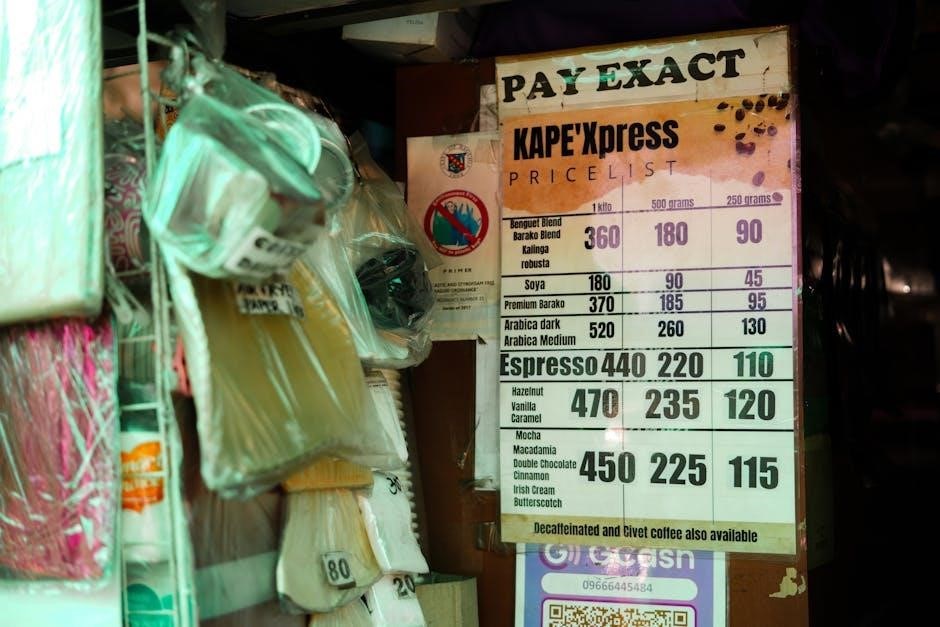
Hobbyworld’s data reveals price variations based on edition. Identifying the set symbol and release year is crucial for accurate valuation. Cards from smaller print runs, or those with unique promotional markings, often attract premium prices from collectors. Understanding these nuances is essential for both buyers and sellers navigating the market.
Demand and Playability in Formats
Card demand, heavily influenced by playability across various Magic: The Gathering formats, significantly impacts pricing. Cards frequently used in competitive decks – Standard, Modern, Commander – command higher prices due to consistent demand from players. Assassin’s Creed cards with unique abilities or synergy potential see increased interest.
Limited format legality can depress prices. Cards restricted to casual play or niche formats generally remain more affordable. Monitoring tournament results and popular decklists provides insight into current demand. A card’s perceived power level and strategic value directly correlate with its market price.

Where to Buy and Sell
Explore online marketplaces like TCGplayer, Cardmarket, and eBay, alongside your local game stores (LGS) for Assassin’s Creed MTG cards. Utilize price tracking tools!
Online Marketplaces (TCGplayer, Cardmarket, eBay)
Navigating the digital landscape for Assassin’s Creed MTG cards offers diverse options. TCGplayer stands out with its robust pricing data and direct shipping, ideal for US buyers. Cardmarket caters primarily to the European market, boasting a vast inventory and competitive rates.
eBay provides auction-style and fixed-price listings, potentially yielding bargains but requiring careful seller evaluation. Remember to factor in shipping costs and potential buyer premiums when comparing prices across platforms. Regularly check these sites for fluctuating values, especially after tournament results or set updates. Utilize built-in search filters to pinpoint specific cards and conditions.
Local Game Stores (LGS)
Supporting your Local Game Store (LGS) offers benefits beyond simple transactions. While online marketplaces provide data, LGSs offer in-person inspection of card condition – crucial for grading. They often host events where you can gauge demand and potentially trade cards directly with other collectors.
Building relationships with LGS staff can provide insights into local market trends and upcoming stock. Though prices might occasionally be slightly higher than online, the convenience and community aspect are valuable. Check if your LGS participates in Hobbyworld’s pricing structure for potential baseline comparisons.
Price Tracking Tools & Resources
Several online tools assist in monitoring MTG Assassin’s Creed card prices. TCGplayer and Cardmarket are essential for tracking market values, offering historical data and price alerts. Utilizing these platforms alongside Hobbyworld’s price list provides a comprehensive view.
Dedicated MTG price trackers often allow filtering by card condition and edition, crucial for accurate assessments. Remember to cross-reference data, as prices can vary between platforms. Regularly checking these resources, especially after tournament results, helps identify price fluctuations and potential investment opportunities within the set.

Price History & Data Analysis
Analyzing historical price charts reveals trends. Tournament outcomes significantly impact card values, as demonstrated by fluctuations observed since the set’s release.
Historical Price Charts for Key Cards
Examining price trends is crucial for collectors and players. Initial release prices for cards like “Assassins Creed 3 ⏤ jewel” (Hobbyworld item 3611, priced at 250) have shown volatility. Charts tracking these key cards reveal spikes correlating with promotional events and shifts in meta-game strategies.
Data indicates that cards initially undervalued experienced significant gains as demand increased. Conversely, some cards saw price dips following reprints or decreased playability. Analyzing these charts, alongside Hobbyworld’s data, provides a comprehensive view of each card’s market journey, aiding informed investment decisions. Consistent monitoring is essential for maximizing returns.
Impact of Tournament Results on Prices
Tournament performance dramatically influences card valuations. Successful decklists featuring Assassin’s Creed cards trigger immediate price surges. Cards essential to winning strategies, even uncommon ones, experience heightened demand. Conversely, cards deemed ineffective in competitive play often see price declines.
Monitoring major tournament results is vital for tracking these shifts. The emergence of new archetypes can unexpectedly elevate previously overlooked cards. Hobbyworld’s price data, combined with tournament outcomes, offers a dynamic perspective on market trends. Investors should closely follow professional play to anticipate future price movements and capitalize on opportunities.

Hobbyworld Price List Relevance
Hobbyworld’s data provides a baseline for Assassin’s Creed MTG card pricing, detailing various product groups, discount tiers, and recent price adjustments.
Analyzing Hobbyworld Data for Baseline Prices
Hobbyworld’s price list, dated February 17, 2026, serves as a crucial starting point for establishing baseline values for Magic: The Gathering and Assassin’s Creed cards. Examining item numbers like 3610 (Assassin’s Creed 3 ⏤ jewel, priced at 250) and 3611 (Beowulf-DVD) demonstrates the cataloging system.
The list’s categorization and pricing structure offer insights into initial market positioning; Identifying items marked with blue highlights – indicating price policy changes – is vital. This allows tracking of adjustments since the set’s release. Analyzing these shifts, alongside the overall list, reveals Hobbyworld’s assessment of card desirability and market demand, forming a solid foundation for broader price analysis.
Identifying Price Changes & Trends from Hobbyworld
Hobbyworld’s data reveals dynamic pricing, highlighted by blue-marked positions indicating policy shifts. Observing these changes, alongside the catalog’s broader trends, is essential. For example, tracking the price evolution of Assassin’s Creed 3 ⏤ jewel (item 3610) over time provides valuable insight.
The “legend position” system flags adjustments, allowing for quick identification of cards experiencing increased or decreased demand. Analyzing these fluctuations, coupled with the overall list structure, helps discern emerging market trends. This data, while a snapshot, offers a crucial foundation for predicting future price movements within the MTG Assassin’s Creed set.