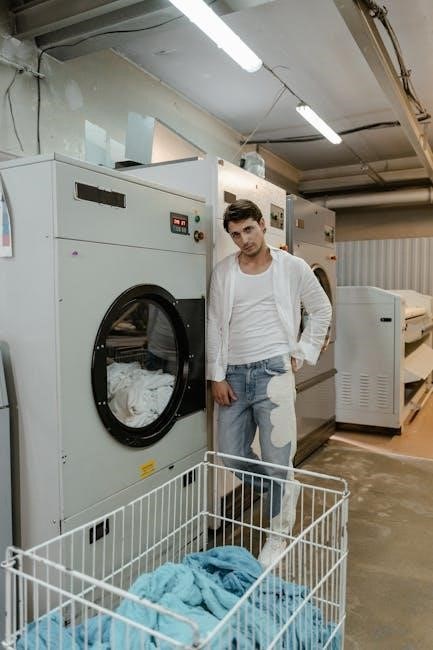
Understanding Your GE Clothes Dryer: A Comprehensive Manual Guide
This guide offers detailed instructions for GE dryer operation, maintenance, and troubleshooting, ensuring optimal performance and longevity of your appliance.
Locating your dryer’s model and serial numbers is crucial for accessing specific support and warranty information, as detailed within.
Understanding the control panel, cycle selections, and safety precautions will maximize efficiency and prevent potential hazards, as outlined herein.
GE dryer manuals are essential resources designed to empower owners with the knowledge needed for safe, efficient, and effective appliance operation. These comprehensive guides detail everything from initial setup and everyday usage to advanced features and troubleshooting procedures. Accessing the correct manual, identified by your dryer’s specific model number, is the first step towards maximizing its lifespan and performance.
Within these manuals, you’ll discover detailed explanations of the control panel functions, cycle options tailored to various fabric types, and crucial safety information. GE prioritizes user understanding, providing clear instructions and diagrams to facilitate easy navigation. Furthermore, the manuals offer guidance on routine maintenance tasks, such as lint filter cleaning, which are vital for preventing fire hazards and maintaining optimal drying efficiency.
Digital versions are readily available online, offering convenient access to information whenever needed, supplementing the physical copy often included with your purchase.
Why Refer to Your GE Dryer Manual?
Referring to your GE dryer manual unlocks the full potential of your appliance, ensuring optimal performance and preventing costly repairs. It provides specific instructions tailored to your model, detailing proper operation and maintenance procedures. Understanding the various cycle options allows you to effectively care for different fabrics, extending their lifespan and preventing damage.
The manual is your primary resource for troubleshooting common issues, potentially saving you the expense of a service call. It outlines safety precautions, including critical warnings about carbon monoxide and proper ventilation, safeguarding your home and family. Locating the model and serial number, as explained within, is essential for warranty claims and accessing dedicated support.
Ignoring the manual can lead to inefficient drying, increased energy consumption, and even potential hazards. It’s a small investment of time that yields significant long-term benefits.
Locating Your GE Dryer’s Model and Serial Number
Identifying your GE dryer’s model and serial numbers is vital for support, warranty claims, and accessing specific owner’s manual information, as detailed.
Where to Find the Model Number
The model number for your GE dryer is typically located in several key areas, making it relatively easy to find when needed for service or referencing documentation. Most commonly, you’ll discover the model number on a sticker positioned on the inside of the dryer door, or directly on the door frame itself.
Alternatively, check the control panel area; some models display the number directly on the panel, or beneath it. For standalone GE dryers, this is the most frequent location. If you’ve recently purchased a washer-dryer combo, the model number will likely be found on the appliance’s exterior, often on the side or back panel.
Remember to carefully inspect these areas, as the sticker can sometimes be partially obscured or located in a less obvious spot. Having the model number readily available streamlines any support requests or parts ordering processes.
Where to Find the Serial Number
Locating the serial number on your GE dryer is essential for warranty claims and accessing specific product information. Similar to the model number, the serial number is usually found on a sticker affixed to the inside front face of the dryer compartment. Look to the left or right side when the door is open – this is a very common placement.
Additionally, check the door jamb itself, as the serial number may be printed directly onto it. For some models, you might find it on the control panel or beneath it. GE Appliances indicates the serial number is often found in these easily accessible locations.
Carefully inspect these areas, as the sticker can sometimes be hidden. Knowing the serial number format (discussed elsewhere) can aid in correctly identifying it. Keep this number safe for future reference regarding your appliance.
Understanding GE Serial Number Formats
GE serial numbers provide valuable information about your dryer’s manufacturing date and origin. While formats can vary, they generally consist of a series of letters and numbers. Understanding this structure can be helpful when contacting customer support or ordering parts.
Typically, the serial number will include characters indicating the manufacturing plant and the date of production. GE Appliances utilizes a system where specific digits correspond to the year and week of manufacture. Deciphering these codes allows you to pinpoint when your dryer was made.
Although the exact format can change over time, recognizing the presence of letters and numbers arranged in a specific sequence is key. Referencing GE’s official documentation or contacting their customer service can provide a detailed breakdown of your dryer’s specific serial number format.

GE Dryer Features and Controls

Explore the diverse array of features on your GE dryer, from intuitive control panels to specialized cycles, enhancing your laundry experience significantly;
Mastering cycle selection and temperature settings ensures optimal fabric care and efficient drying, as detailed in this comprehensive guide.
Control Panel Overview
The GE dryer control panel is designed for user-friendly operation, offering a range of customizable settings to suit various fabric types and drying needs. Typically, you’ll find a cycle selector dial, allowing you to choose from pre-programmed cycles like Normal, Delicate, Heavy Duty, and more.
Digital models often feature an electronic display showing cycle time remaining, temperature selection, and any active options. Push-button controls enable you to modify settings such as dryness level (more, medium, less), temperature (high, medium, low, air dry), and special features like steam or sanitize.
Indicator lights clearly signal when the dryer is running, heating, or if a particular cycle is complete. Some panels include options for delayed start, allowing you to schedule drying for a later time. Familiarizing yourself with these controls ensures you can effectively utilize your dryer’s capabilities for optimal results and garment care.
Cycle Selection Guide
GE dryers offer a variety of cycles designed for specific fabric types and drying needs. The Normal cycle is ideal for everyday cottons and linens, providing a balanced heat and tumble action. Delicate cycles use lower heat to protect sensitive fabrics like lingerie and silk.
Heavy Duty cycles are suited for bulky items like towels and jeans, employing higher heat and extended drying times. Permanent Press cycles minimize wrinkles in synthetic fabrics. Steam cycles refresh clothes and reduce odors without washing, while Sanitize cycles eliminate bacteria.
An Air Dry cycle provides tumbling without heat, perfect for refreshing items or drying delicate materials. Always consult garment care labels and select the appropriate cycle to prevent damage and ensure optimal drying performance. Understanding these options maximizes your dryer’s efficiency.
Temperature Settings Explained
GE dryers typically offer multiple temperature settings to accommodate various fabric types. High heat is best for durable cottons and towels, providing fast drying. Medium heat suits most everyday items like synthetics and blends, balancing drying speed and fabric protection.
Low heat is ideal for delicates, lingerie, and items prone to shrinking, minimizing the risk of damage. Air Dry (no heat) gently tumbles items to refresh or fluff without any heat exposure. Some models feature Precise Moisture Sensing, automatically adjusting temperature to prevent over-drying.
Always check garment care labels before selecting a temperature. Using excessively high heat can cause shrinking, fading, or damage. Proper temperature selection ensures optimal drying results and extends the life of your clothes, maximizing efficiency.

Operating Your GE Dryer
Proper loading, understanding drying times for different fabrics, and utilizing special features like steam or sanitize are key to efficient operation.
Always follow garment care labels and avoid overloading the dryer for optimal results and to prevent damage to your clothing.
Loading and Unloading Instructions
Before loading your GE dryer, ensure the lint filter is clean for optimal airflow and efficiency. Separate items by fabric type and color to prevent dye transfer and damage. Avoid overloading the drum; clothes need room to tumble freely for even drying.
Load items loosely, and shake out larger items like sheets and blankets to minimize wrinkles. Don’t wrap items around the drum. When unloading, check pockets for any forgotten items, and promptly remove clothes to prevent wrinkling.
Be cautious as the dryer drum and clothes may be hot. If using a stacking kit, ensure the dryer is securely installed before loading or unloading. Regularly inspect the dryer area for any dropped items or obstructions. Following these guidelines will ensure safe and effective operation.
Drying Times and Fabric Types

Drying times vary significantly based on fabric type, load size, and desired dryness level. Delicate fabrics like silk and lingerie require low heat and shorter cycles to prevent damage. Heavy items, such as towels and jeans, need higher heat and longer drying times.
Utilize the cycle selection guide in your manual to choose the appropriate setting for each load. For example, a “Permanent Press” cycle is ideal for wrinkle-resistant clothing, while a “Delicates” cycle protects sensitive materials.
Monitor the dryness of clothes periodically, especially during the first few uses, to adjust drying times accordingly. Over-drying can cause shrinkage and damage, while under-drying leaves clothes damp. Always refer to garment care labels for specific instructions.
Using Special Features (Steam, Sanitize, etc.)
GE dryers often include specialized features like steam cycles to refresh clothes and reduce wrinkles, offering a convenient alternative to ironing. Sanitize cycles utilize higher temperatures to eliminate bacteria and allergens, ideal for bedding and baby clothes.
Refer to your manual for specific instructions on utilizing these features, as water requirements and cycle durations vary. Some models offer a “Wrinkle Shield” option, periodically tumbling clothes after the cycle ends to prevent creasing.
Always ensure the water supply is connected correctly for steam functions. Properly loading the dryer and selecting the appropriate settings are crucial for optimal results. Explore these features to enhance your laundry routine and achieve professional-quality results.

Maintenance and Troubleshooting
Regular cleaning of the lint filter and dryer drum is essential for efficient operation and safety, preventing fire hazards and maintaining performance.
This section details common dryer issues and provides solutions, helping you diagnose and resolve problems before requiring professional service.
Cleaning the Lint Filter
The lint filter is a critical component for maintaining your GE dryer’s efficiency and safety. After each load, it’s vital to remove and clean the lint filter thoroughly. A clogged filter restricts airflow, increasing drying times, raising energy consumption, and potentially creating a fire hazard.
To clean, simply locate the lint filter – typically inside the dryer drum near the door opening. Pull the filter straight up and remove any accumulated lint by hand. For a more comprehensive clean, you can occasionally wash the filter with mild detergent and warm water, ensuring it’s completely dry before reinstalling.
Regular cleaning not only improves drying performance but also extends the life of your dryer. Ignoring this maintenance task can lead to overheating and potential damage to the appliance. Always ensure the filter is properly seated back into its slot before operating the dryer.
Cleaning the Dryer Drum
Maintaining a clean dryer drum is essential for optimal performance and preventing unpleasant odors. Over time, fabric softener residue and detergent buildup can accumulate inside the drum, reducing drying efficiency and potentially transferring onto your clothes.
To clean the drum, simply wipe down the interior surfaces with a damp cloth and mild detergent. For stubborn residue, create a solution of warm water and white vinegar – this effectively dissolves buildup without damaging the drum’s finish. Avoid abrasive cleaners, as they can scratch the surface.
Periodically, run an empty dryer cycle with a few clean, damp cloths to help loosen and remove any remaining residue. Regular cleaning ensures your clothes come out fresh and clean, and helps prolong the life of your GE dryer. A clean drum promotes efficient drying and prevents unwanted stains.
Common Dryer Problems and Solutions
Encountering issues with your GE dryer is common, but many can be resolved with simple troubleshooting. If the dryer won’t start, check the power cord, circuit breaker, and door switch – ensure the door is fully latched. For insufficient heat, inspect the heating element and gas supply (for gas dryers).
A dryer that takes too long to dry often indicates a clogged lint filter or restricted vent. Always clean the lint filter after each load and regularly inspect the vent for obstructions. Unusual noises could signal a worn drum support roller or belt – these may require professional repair.
Refer to your manual for specific error codes and diagnostic steps. Remember to disconnect power before attempting any repairs. If problems persist, contact a qualified appliance technician for assistance.

Safety Information
Prioritize safety by following all precautions outlined in this manual, preventing fire hazards and ensuring proper ventilation. Be aware of carbon monoxide risks.
Never operate a damaged dryer, and always disconnect power before maintenance. Keep flammable materials away from the appliance during operation.
Important Safety Precautions
Before using your GE dryer, carefully read and understand all instructions within this manual. Failure to adhere to these safety guidelines could result in fire, electric shock, or serious personal injury. Always ensure the dryer is properly installed and grounded according to local codes.
Never operate the dryer if the power cord is damaged or if the dryer exhibits any signs of malfunction. Do not attempt to repair the dryer yourself; contact a qualified technician for service. Keep the area around the dryer clear of combustible materials, such as lint, paper, and flammable liquids.
Always disconnect the dryer from the power supply before cleaning or performing any maintenance. Do not overload the dryer, as this can cause it to overheat and potentially start a fire. Supervise children when they are near the dryer, and never allow them to play with or inside the appliance. Inspect the dryer vent regularly to ensure it is free of obstructions.
Carbon Monoxide Warning
This GE dryer is designed for use with exhaust systems that adequately vent combustion gases. Improper installation or maintenance of the exhaust system can lead to a dangerous buildup of carbon monoxide (CO), an odorless and potentially fatal gas.
Symptoms of CO poisoning include headache, dizziness, weakness, nausea, vomiting, chest pain, and confusion. If you suspect CO poisoning, immediately evacuate the premises and call emergency services.
Ensure the dryer vent is unobstructed and properly connected to the outdoors. Regularly inspect the vent for blockages, such as lint buildup or bird nests. Never operate the dryer if the vent is disconnected or damaged. Install carbon monoxide detectors in your home, especially near sleeping areas, for added safety. Proper ventilation is critical for preventing CO accumulation.