
Boil Mouthpiece Instructions: A Comprehensive Guide
Protecting your teeth is paramount! This guide details how to properly mold a boil and bite mouthguard, ensuring a secure and comfortable fit for optimal dental safety.
Dental professionals emphasize the importance of adequate protection, especially during sports, and caution against relying on cheaper, less effective alternatives.
Successfully molding your mouthguard involves heating, softening, and carefully shaping it to your unique bite – a process easily achievable with these detailed instructions.
Understanding Boil and Bite Mouthguards
Boil and bite mouthguards represent a convenient and affordable solution for dental protection, particularly for athletes and individuals with bruxism. These thermoplastic devices become pliable when heated, allowing them to be molded to the unique contours of your mouth for a customized fit. Unlike stock mouthguards, which offer a generic shape, or expensive custom-made options from a dentist, boil and bite guards strike a balance between cost-effectiveness and personalized protection.
The process involves submerging the mouthguard in hot water to soften the material, followed by carefully biting down on it while it cools, creating an impression of your teeth. It’s crucial to follow the instructions precisely, as improper molding can result in a loose or uncomfortable fit, diminishing its protective capabilities.

Understanding the material’s responsiveness to heat and the importance of a secure fit are key to maximizing the benefits of a boil and bite mouthguard.
What is a Boil and Bite Mouthguard?
A boil and bite mouthguard is a pre-formed, thermoplastic dental protector designed to be customized for an individual’s mouth. Constructed from materials like EVA (ethylene-vinyl acetate), these mouthguards begin as a relatively rigid shape. However, when exposed to hot water, the plastic softens, becoming malleable enough to conform to the unique structure of your teeth and gums.
The user then places the softened mouthguard into their mouth and bites down, creating an impression. As it cools, the plastic hardens, retaining the molded shape. This process provides a more secure and comfortable fit compared to generic, one-size-fits-all options.
These are readily available over-the-counter, offering a practical and accessible solution for protecting teeth during sports or managing teeth grinding, following the provided instructions.
Benefits of Using a Boil and Bite Mouthguard
Boil and bite mouthguards offer several key advantages. Primarily, they provide crucial protection against dental injuries during contact sports, minimizing the risk of chipped, fractured, or dislodged teeth. They also help to cushion the jaw, reducing the potential for concussions and other head injuries.
Beyond sports, these mouthguards are beneficial for individuals who grind their teeth (bruxism) at night, alleviating jaw pain and preventing enamel wear. Their customizability ensures a more comfortable and secure fit than stock mouthguards.
Furthermore, they represent a cost-effective alternative to expensive custom-made mouthguards from a dentist, while still offering significant protection when following the instructions carefully.
When to Consider a Boil and Bite Mouthguard
Consider a boil and bite mouthguard whenever participation in contact sports is anticipated, such as football, basketball, hockey, or martial arts. Protecting your teeth from impact is crucial in these activities, and a properly fitted mouthguard significantly reduces injury risk.
Individuals experiencing nighttime teeth grinding (bruxism) should also consider using one to protect their enamel and alleviate jaw discomfort. If you notice jaw pain or tooth sensitivity, a mouthguard can provide relief.
These are a practical solution when a custom-fitted mouthguard from a dentist isn’t immediately accessible or financially feasible, offering a readily available and affordable protective option. Following the instructions is key!

Preparing to Boil Your Mouthguard
Before boiling, gather your materials and confirm your mouthguard’s compatibility with hot water; safety first! Ensure a safe water heating environment for optimal results.
Gathering Necessary Materials
Successful molding begins with preparation! You’ll need a pot large enough to comfortably submerge your mouthguard in water, and a heat-resistant mug or bowl to hold the hot water during the molding process. A mirror is absolutely essential for visually confirming a proper fit during the biting-down stage.
Having a timer readily available is crucial for accurately tracking the soaking time – typically between 25 and 35 seconds, but always check your specific mouthguard’s instructions. A clean sink with access to cool water will be needed for rinsing. Finally, ensure you have a clean, dry cloth to wipe away any excess moisture after molding.
These simple tools will streamline the process and contribute to a well-fitted, protective mouthguard.
Checking Mouthguard Material Compatibility
Not all mouthguards are created equal! Before beginning, carefully review the packaging of your boil and bite mouthguard to confirm it’s indeed a “boil and bite” type. Some materials may not be suitable for this process and could be damaged by hot water.
Look for specific instructions regarding water temperature and soaking time, as these can vary between brands and materials. Avoid using boiling water if the packaging explicitly advises against it; slightly cooler, but still hot, water may be recommended.
If you’re unsure about the material, it’s always best to err on the side of caution and contact the manufacturer for clarification. Using incorrect temperatures or methods can lead to a distorted or unusable mouthguard.
Ensuring Water Safety
Hot water demands respect! Prioritize safety when handling boiling water. Always use a pot or heat-resistant container large enough to fully submerge the mouthguard without overflowing. Exercise extreme caution when pouring the hot water into a smaller bowl or mug – a steady hand is crucial to prevent spills and burns.
Keep children and pets away from the area while working with boiling water. Consider wearing heat-resistant gloves to protect your hands during the process. Never leave boiling water unattended, and be mindful of your surroundings to avoid accidental contact.
Ensure a stable work surface to prevent tipping. Remember, a moment of carelessness can result in serious injury.

The Boiling Process
Softening is key! Bring water to a rolling boil, then carefully submerge the mouthguard for 25-35 seconds to achieve optimal pliability for molding.
Heating the Water
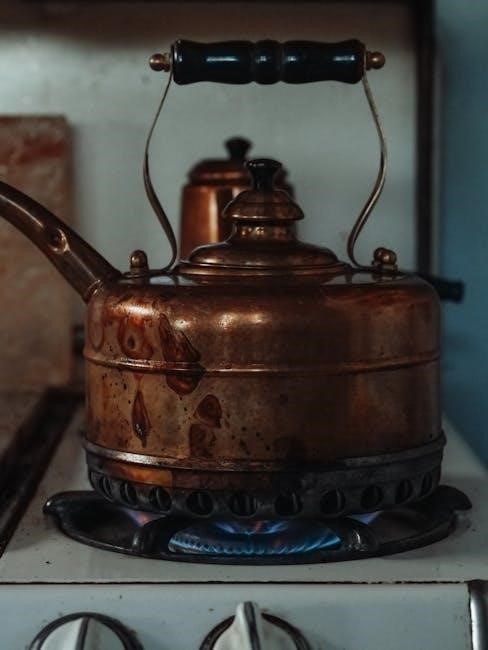
Achieving the correct water temperature is crucial for successful mouthguard molding. Begin by filling a pot with enough water to completely submerge your boil and bite mouthguard when placed inside a heat-resistant container, like a coffee mug.
Place the pot on a stove and bring the water to a vigorous, rolling boil. This ensures the water is hot enough to effectively soften the thermoplastic material of the mouthguard. However, avoid excessive boiling, as this could potentially damage the material.
Once boiling, carefully reduce the heat slightly to maintain a consistent boil without overflowing. The goal is to have consistently hot water readily available for the next step – submerging the mouthguard.
Remember safety first; handle boiling water with extreme caution to prevent burns.
Submerging the Mouthguard
Carefully transfer the boiling water into a heat-safe bowl or mug. This prevents direct contact with the hot pot and provides a more manageable container for submerging your mouthguard.
Gently place the mouthguard into the hot water, ensuring it is fully submerged. Complete submersion is vital for even softening of the entire mouthguard, allowing it to mold properly to your teeth and gums.
Avoid overcrowding the container; the mouthguard should have enough space to move freely within the water. Monitor the mouthguard closely as it softens, and be prepared to proceed to the next step within the recommended timeframe.
Do not leave the mouthguard unattended during this process, and always use caution when handling hot water and softened materials.
Optimal Soaking Time (25-35 Seconds)
Maintaining the correct soaking time is crucial for achieving a proper mold. Generally, 25 to 35 seconds is the recommended duration for submerging your mouthguard in the boiling water. This timeframe allows the material to become pliable without becoming overly soft or losing its shape.
Begin timing immediately once the mouthguard is fully submerged. Avoid exceeding 35 seconds, as prolonged exposure to the heat can compromise the integrity of the plastic, making it difficult to mold effectively.
Conversely, insufficient soaking time will result in a rigid mouthguard that doesn’t conform to your bite. Use a timer to ensure accuracy and consistency.
Carefully monitor the mouthguard’s texture; it should appear softened and flexible, ready for the molding process.
Monitoring Water Temperature
Maintaining the correct water temperature is vital for successful mouthguard molding. The water should be at a rolling boil initially, but it’s essential to avoid excessively high temperatures that could warp the mouthguard’s shape.
After pouring the boiling water into a heat-resistant container, allow it to cool slightly before submerging the mouthguard. This prevents immediate distortion of the material.
Continuously observe the water’s temperature throughout the soaking process. If the boil subsides significantly, carefully add a small amount of additional boiling water to maintain adequate heat.
Be cautious when handling hot water to prevent burns. A consistent, moderately hot temperature ensures optimal softening without damaging the mouthguard.
Molding the Mouthguard
Carefully remove the softened mouthguard from the hot water using a utensil. Briefly cool it under cool water, then quickly insert it into your mouth and bite down firmly!
Removing from Hot Water
Exercise extreme caution when removing the mouthguard from the boiling water. Utilize a slotted spoon or tongs to carefully extract it, avoiding direct contact with the hot water to prevent burns. The mouthguard will be very pliable and hot, so swift action is crucial for successful molding.
Avoid prolonged exposure to the hot water, as this can over-soften the material, potentially distorting its shape and making it difficult to achieve a proper fit. Quickly, but gently, lift the mouthguard out of the water and proceed to the next step – a brief cooling period – to make it manageable for insertion.
Remember, speed and precision are key at this stage to ensure the mouthguard retains its form and is ready for personalized molding to your teeth.
Cooling Briefly
Immediately after removing the mouthguard from the hot water, briefly cool it under cool – not cold – tap water. This quick rinse lowers the temperature enough to handle comfortably without compromising its pliability. Avoid using ice water, as it can cause the material to harden prematurely, hindering the molding process.
This brief cooling period, lasting only a few seconds, is essential for preparing the mouthguard for insertion. It allows you to work with the softened material without risking burns while still maintaining sufficient malleability to conform to your teeth and gums.
Ensure the mouthguard isn’t completely cooled and hardened before proceeding; a slightly warm, pliable texture is ideal for achieving a precise and comfortable fit.
Inserting and Biting Down
With the mouthguard cooled briefly, promptly insert it into your mouth, centering it over your upper teeth. Gently close your lips around the guard, ensuring it’s positioned correctly and covers all necessary teeth. Now, firmly but not forcefully, bite down.
Apply even pressure across all teeth – both front and back – to encourage the material to mold to the contours of your bite. Use your tongue to press the mouthguard firmly against your teeth, ensuring complete contact. Maintain this biting pressure for the recommended time, typically around 30 seconds, or as specified by the manufacturer’s instructions.
This consistent pressure is crucial for creating a customized and secure fit, maximizing protection and comfort.
Using a Mirror for Proper Fit
Achieving a precise fit requires visual confirmation! While biting down, utilize a mirror to carefully examine the mouthguard’s adaptation to your teeth. Look for complete coverage of your upper teeth, extending to the gum line. Ensure the material is conforming to the shape of your arches and isn’t buckling or folding in any areas.
Pay close attention to the back molars; they should be fully enveloped for optimal protection. If you notice any areas where the mouthguard isn’t making full contact, apply additional biting pressure to those specific zones. The mirror allows you to identify and correct any imperfections in real-time, guaranteeing a snug and secure fit.
Consistent monitoring with a mirror is key to a successful molding process.

Achieving a Secure and Comfortable Fit
Fine-tune for perfection! Adjust for tightness, address any air pockets, and don’t hesitate to re-boil if necessary to achieve a truly customized, protective fit.
Adjusting for Tightness
If the mouthguard feels too tight, it’s crucial to address this immediately to avoid discomfort and potential issues. Gently re-warm the mouthguard in the hot water for a very brief period – approximately 10-15 seconds – to regain some malleability.
Quickly remove it and attempt to re-mold, applying slightly less biting pressure than before. Using a mirror is essential during this process to ensure even distribution. Avoid over-heating, as this can distort the shape.
If tightness persists, consider repeating the process, but with even shorter heating intervals. Remember, small adjustments are key. A properly fitted mouthguard should be snug, but not constricting, allowing for comfortable breathing and speech.
Persistent tightness could indicate the need for a different size or style of mouthguard.
Addressing Air Pockets
Air pockets within the mouthguard can compromise its protective capabilities and reduce comfort. After the initial molding, carefully inspect the interior surfaces for any noticeable voids or gaps. To eliminate these, re-warm the mouthguard briefly – around 10 seconds – in hot water.
Remove and immediately re-insert, applying firm and even biting pressure, focusing on areas where air pockets are present. Gently press your tongue against the inner surfaces to help the material conform to your teeth and gums.
A mirror is invaluable for visualizing the molding process. Repeat this process cautiously, avoiding excessive heat, until a smooth, gap-free fit is achieved. A well-fitted mouthguard should fully cover and protect all teeth.
Small, unavoidable pockets are less concerning than large, prominent voids.
Re-Boiling if Necessary
Achieving a perfect fit isn’t always immediate; re-boiling is often required for optimal results. If the initial molding doesn’t provide sufficient tightness or complete coverage, don’t hesitate to repeat the process. However, limit re-boiling to a maximum of two or three attempts to prevent material degradation.
Each time you re-boil, adhere strictly to the recommended soaking time – 25 to 35 seconds – to maintain the material’s plasticity. Remember to cool briefly before insertion and apply consistent biting pressure.
Overheating can distort the shape, rendering the mouthguard unusable. If, after multiple attempts, a satisfactory fit remains elusive, consider a custom-fitted mouthguard from a dental professional.
Patience and careful attention to detail are key to successful re-molding.

Post-Molding Care and Maintenance
Proper care extends your mouthguard’s life! Regularly clean with cool water and mild soap, store in a ventilated case, and inspect for wear and tear.
Cleaning Your Mouthguard
Maintaining impeccable hygiene is crucial for your boil and bite mouthguard, preventing bacterial growth and ensuring a fresh, comfortable experience. After each use, thoroughly rinse the mouthguard under cool running water to remove saliva and debris. Avoid using hot water, as it can potentially distort the shape.
Employ a mild, non-abrasive soap or a specialized mouthguard cleaner to gently scrub the surface. A soft-bristled toothbrush is ideal for reaching all crevices and contours. Ensure all soap residue is completely rinsed away before storing.
Regular cleaning not only promotes oral health but also extends the lifespan of your mouthguard, preserving its protective qualities and preventing unpleasant odors. Consistent care is a small investment for significant benefits!
Storage Recommendations
Proper storage significantly impacts the longevity and hygiene of your boil and bite mouthguard. Always store your cleaned mouthguard in a well-ventilated, protective case when not in use. This prevents contamination and safeguards against crushing or deformation.
Avoid leaving it exposed to direct sunlight or extreme temperatures, as these can compromise the material’s integrity. Never store it in a location accessible to pets, who may be tempted to chew on it.
A dedicated mouthguard case is the best option, ensuring it remains clean, dry, and protected between uses. Consistent adherence to these storage guidelines will maximize its effectiveness and lifespan, providing continued dental protection.
Checking for Wear and Tear
Regular inspection is crucial for maintaining the protective function of your boil and bite mouthguard. Before and after each use, carefully examine it for any signs of damage, such as cracks, tears, or distortions in the material. Pay close attention to areas that experience the most pressure during activity.
Look for thinning or softening of the plastic, indicating potential weakening. If you notice any significant wear and tear, it’s time to replace the mouthguard, even if it still seems functional.
Compromised integrity diminishes its ability to absorb impact effectively, increasing the risk of dental injuries. Prioritize safety by promptly replacing a damaged mouthguard to ensure continued protection.
Lifespan of a Boil and Bite Mouthguard
The longevity of a boil and bite mouthguard varies depending on frequency of use, the intensity of activity, and individual habits. Generally, these mouthguards have a lifespan of approximately 6-12 months with consistent use. However, this is merely an estimate.
Athletes engaging in high-impact sports or those who use their mouthguard frequently may need to replace it more often, potentially every few months. Consistent checking for wear and tear, as previously discussed, is vital for determining when replacement is necessary.
Even without visible damage, the material can degrade over time, losing its protective qualities. Proactive replacement ensures continued safety and optimal performance.

Potential Issues and Troubleshooting
Addressing fit problems is key! Common issues include looseness or tightness, and occasionally, distortion after boiling; re-boiling or adjustments can often resolve these concerns effectively.
Mouthguard Too Loose

If your mouthguard feels loose after molding, don’t despair! This is a relatively common issue, and thankfully, easily remedied. The primary solution is to simply repeat the boiling and molding process. Ensure you’re following the instructions carefully, paying close attention to the soaking time – 25 to 35 seconds is generally optimal.
When re-molding, focus on achieving a firmer bite during the shaping phase. Apply more pressure with your teeth, ensuring the mouthguard fully conforms to the contours of your upper teeth. A mirror is invaluable for verifying proper coverage and a snug fit.
If repeated attempts still result in a loose fit, consider whether the mouthguard is the correct size for your mouth. Some individuals may require a larger size for adequate retention.
Mouthguard Too Tight
Experiencing a mouthguard that’s too tight can be uncomfortable and potentially problematic. If you find it difficult to insert or remove, or if it causes significant discomfort, immediate action is needed. The key is to re-soften the mouthguard and reshape it. Briefly submerge it in the hot water – a shorter soaking time (around 20 seconds) is recommended this time to avoid over-softening.
While still pliable, gently try to expand the mouthguard’s shape. You can carefully use your fingers to stretch it slightly. When re-inserting, do so slowly and cautiously, avoiding excessive force.
If the tightness persists, it’s crucial not to force it. Repeatedly attempting to wear an overly tight mouthguard could lead to dental issues. Consider consulting a dental professional for assistance.
Distorted Shape After Boiling
A distorted shape post-boiling is a common issue, often resulting from excessive heat exposure or prolonged soaking. If your mouthguard loses its form, don’t panic! The material can often be reshaped, but it requires careful attention. Re-boiling is usually necessary, but strictly adhere to the recommended 25-35 second timeframe.
During the molding process, focus on restoring the original contours. Use a mirror to visually assess the shape as you apply gentle pressure. If the distortion is severe, and you’re unable to restore the original form, it might indicate the material has been compromised.
In such cases, a replacement mouthguard is advisable to ensure adequate protection. Avoid attempting to force a severely distorted mouthguard onto your teeth.